Logo esteso della azienda noname.solutions. Il logo è composto da un ingranaggio con all'interno circuiti elettrici a cui segue il nome noname solutions.

Author: Francesco Cannonito

  • Your plant still has years ahead: the warning signs that tell you when it’s time for a revamp

    Your plant still has years ahead: the warning signs that tell you when it’s time for a revamp

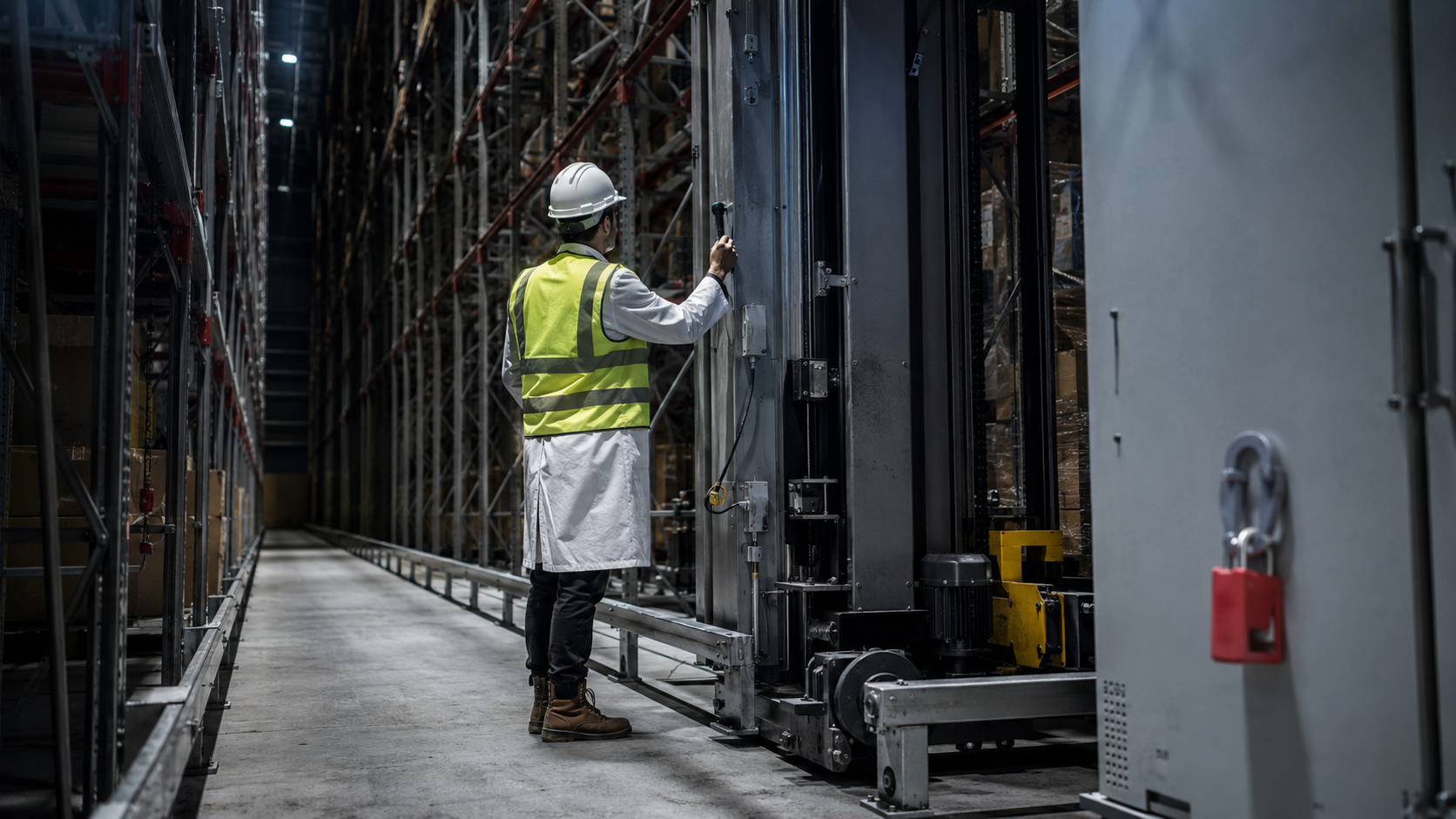
    Ten past six on a Tuesday morning: the line is down on an alarm nobody has ever seen, and the only person who truly knew the plant retired last March. Rounds of phone calls, favours called in, and eventually everything points to one damaged part. The spare can still be found — but only refurbished, and in Germany. Two options: twelve weeks for delivery with the line at a standstill, or a ten-hour drive, a 50% premium and two stressed, unhappy employees. The original supplier, when asked, washed their hands of it: that version is no longer supported, and the only solution is to buy the new model or install a new line.

    What does unplanned downtime really cost?

    According to ABB’s “Value of Reliability” survey of more than 3,200 maintenance decision-makers, the cross-industry median is around $125,000 per hour, and two out of three companies suffer at least one unplanned outage per month (here). Siemens’ “True Cost of Downtime 2024” report estimates that for the world’s 500 largest companies, unplanned downtime is worth 11% of annual revenues (here). None of this comes out of nowhere: obsolescence sends no polite warnings — it builds up in silence, one discontinued component at a time.

    (more…)
  • The European Maze – NIS2, the CRA, the AI Act and the New Machinery Regulation: What Is Really Changing and How to Navigate It

    The European Maze – NIS2, the CRA, the AI Act and the New Machinery Regulation: What Is Really Changing and How to Navigate It

    UPDATE · AUGUST 2026

    The AI Act timeline originally described in this article has been amended by the AI Digital Omnibus, Regulation (EU) 2026/1744, published in the Official Journal on 24 July 2026 and in force since 27 July. From 2 August 2026, the transparency obligations under Article 50 apply, and governance and enforcement are fully operational. The obligations for high-risk systems, however, have been postponed to 2 December 2027 (Annex III) and 2 August 2028 (systems integrated into products covered by Annex I, machinery included). The text below has been updated accordingly.

    In an increasingly unstable and fast‑evolving geopolitical landscape, the data confirms a clear trend: the European Union is becoming an ever more frequent target of cyberattacks. In 2025, DDoS attacks across Europe increased by 75%, highlighting persistent and critical pressure on essential infrastructures. (source: here)
    In parallel, a record average of 443 data‑breach notifications per day was reported, marking a 22% increase compared to the previous year. (source: here)

    This trend is not new, and it is no coincidence that in recent years the European Union has developed a series of regulations and directives that will become fully applicable between 2026 and 2028. This new regulatory framework stems from the need to ensure strategic internal security, to protect European citizens and to strengthen the resilience of European‑made products. It is a real and necessary objective — yet navigating this regulatory and certification maze can be complex and challenging. The main risk is losing orientation. Companies risk becoming blinded to the opportunities ahead of them: improved security (and therefore reduced economic losses due to cyberattacks) or the potential competitive advantage inherent in achieving CE conformity — a mark that signals a level of quality and maturity that is almost unmatched globally when it comes to safety and data protection.

    The challenges to overcome in this maze are the NIS2 Directive, the Cyber Resilience Act, the AI Act and the new Machinery Regulation. In this article, we will untangle their complexity and provide a practical map and an immediate, usable interpretation framework.

    (more…)
  • Cloud Computing: the invisible orchestra of modern software

    Cloud Computing: the invisible orchestra of modern software

    Social media, video streaming, music, live events, video games, artificial intelligence, e-commerce, public administration: every day we live in the cloud without even realizing it. All you need is a laptop or smartphone and a good connection, and everything is at your fingertips.

    But it is worth asking:

    How do giants such as Meta, Alphabet, Microsoft, Amazon, and OpenAI manage to guarantee continuous access to billions of people?

    The answer is: Cloud Computing.

    Read More
  • Technological revolution or evolution in research? AI is changing the world.

    Technological revolution or evolution in research? AI is changing the world.

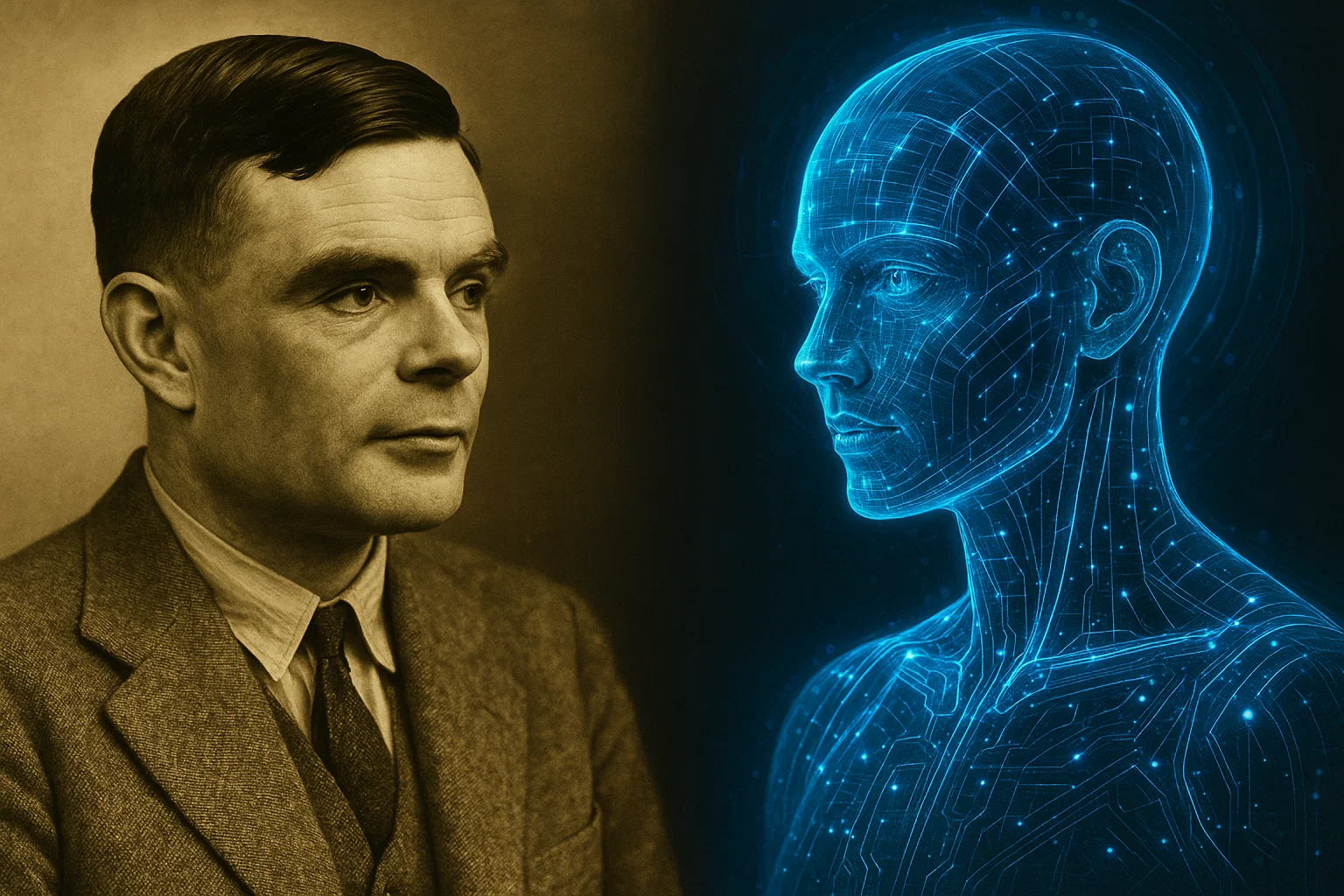
    As of 2025, the conscious or unconscious use of artificial intelligence has become common. AI agents assist with research, content creation, and the editing of videos, images, and texts, and are deeply integrated into the technological and digital tools we use for work, study, or entertainment. This represents a true exponential growth of interest from the global public, as revealed by Google search trends on the topic of “Artificial Intelligence.”

    From the timeline chart, we can observe the turning point in public interest in November 2022, linked to the public launch of ChatGPT (November 30, 2022), an OpenAI product based on GPT-3.5.

    Google Trend for the topic “Artificial Intelligence.”

    Map of interest in the topic “Artificial Intelligence” by region. Countries with low search volumes are excluded.

    The geographic map, on the other hand, offers some surprises. On one hand, it confirms China at the top of the ranking for interest and South Korea on the podium, as one might expect from two countries recognized as technological and innovative hubs. On the other hand, the absence of the U.S. among the top five countries and Ethiopia’s second-place position is surprising.

    Ethiopia’s second-place ranking is due to a combination of two factors:

    • A lower absolute search volume, which causes viral topics to achieve a relatively high score;
    • The Ethiopian government’s push for AI innovation, including organizing PanAfriCon AI 2022—the first pan-African AI conference held in October 2022—and subsequent official steps, such as approving a national AI strategy supported by the Ethiopian Artificial Intelligence Institute, established in 2024.

    These data confirm the significance and impact AI has had and continues to have in the contemporary world. But what exactly is Artificial Intelligence? How and when did it develop? And what are its real impacts on today’s society? Let’s explore it together!

    Read more
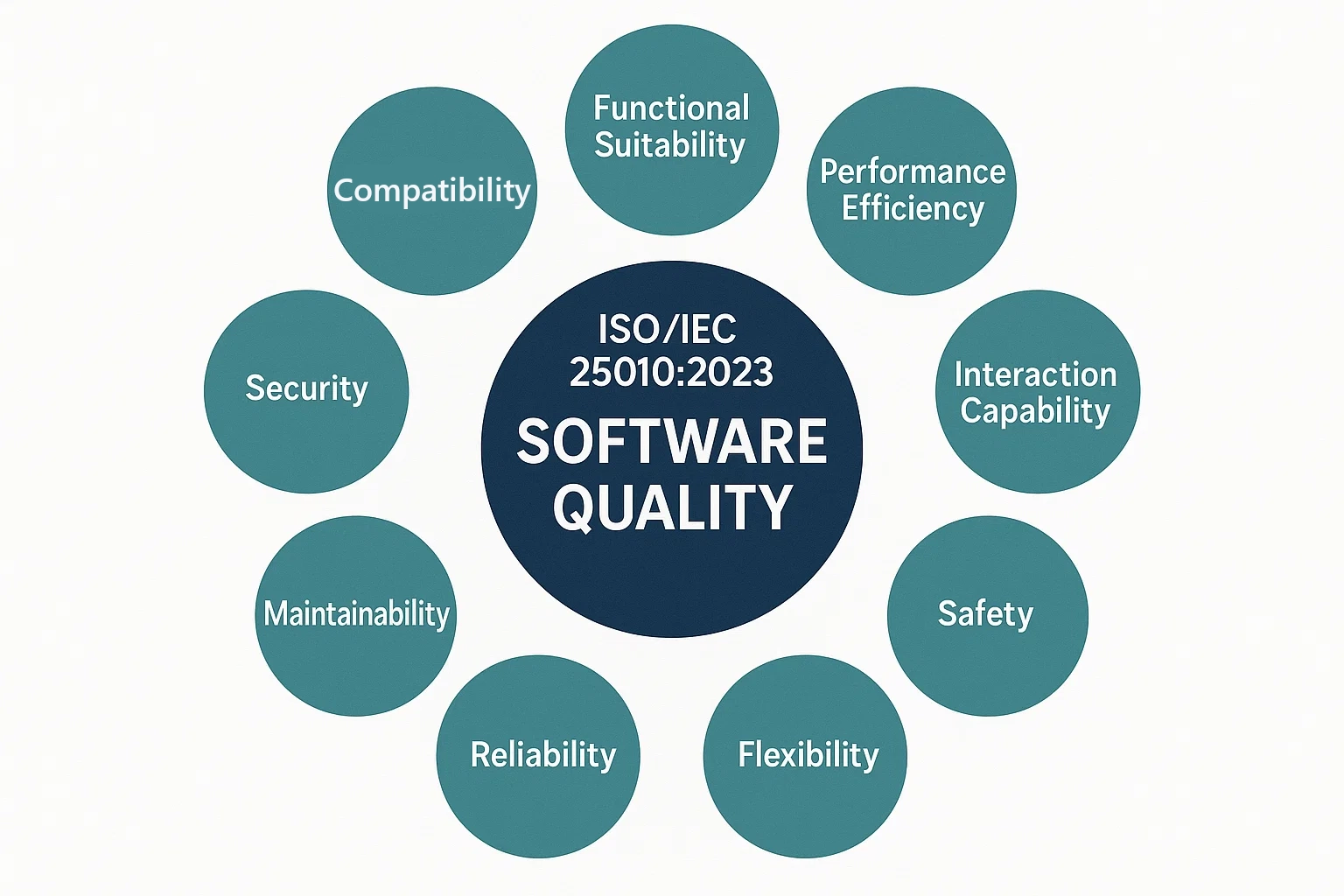
  • What defines Software Quality? Standards, features, and ISO/IEC 25010

    What defines Software Quality? Standards, features, and ISO/IEC 25010

    Today, as in the past, the success of a company lies in the performance of the goods or services it produces—success driven by two main factors: price and quality.

    Although closely related—a low price often corresponds to low quality, and vice versa—there is a fundamental difference between the two. Price is measurable and easily comparable; quality, above all, is perceived, and therefore not easily measurable or comparable.

    Yet, being aware of a product’s quality is one of the most important aspects when evaluating a purchase or an investment.

    In this article, we will focus on the concept of quality, exploring its meaning and its application in the digital world.

    (more…)